

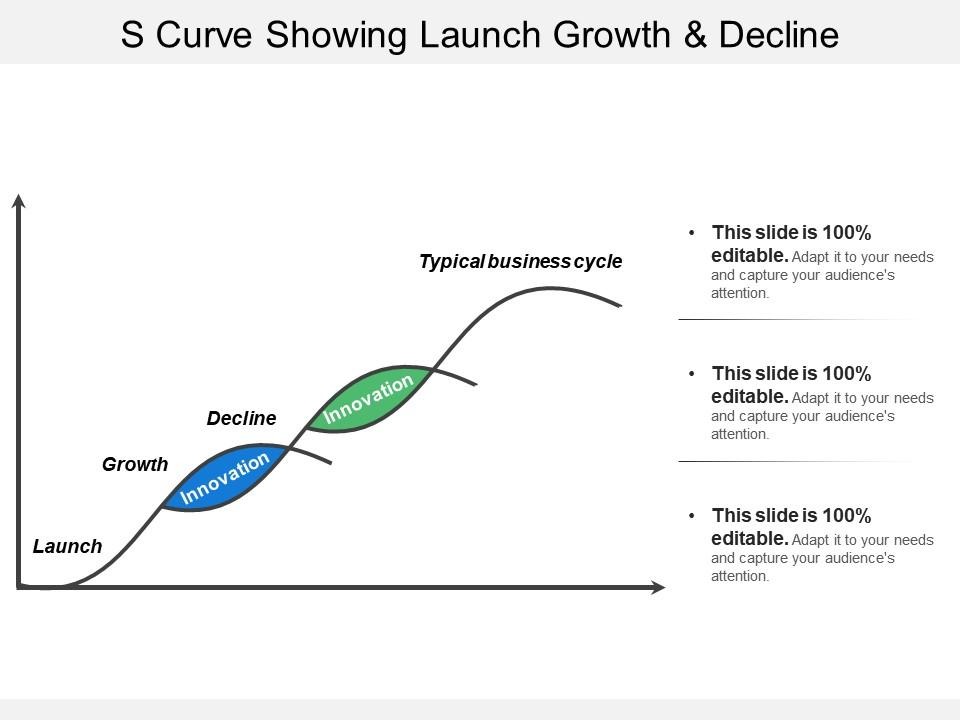
Image Source: SlideTeam
The initial surge of implementing a new digital strategy often brings excitement and promising results. Companies celebrate early wins, track positive metrics, and feel confident about their digital transformation journey. Yet, a peculiar phenomenon occurs as the calendar turns past that first anniversary—momentum slows, results plateau, and what once seemed like a clear path to growth becomes a confusing maze of diminishing returns.
This pattern isn’t coincidental. It represents a fundamental challenge that businesses face when scaling their digital initiatives beyond the honeymoon phase. The enthusiasm that propelled initial adoption gives way to operational realities, system limitations, and evolving market conditions that weren’t apparent during the planning stages.
For businesses pushing toward substantial growth milestones, understanding why digital strategies lose steam after their first year isn’t just an academic exercise—it’s essential for survival. The digital landscape doesn’t forgive companies that stand still, and yesterday’s innovative approach quickly becomes today’s outdated methodology.
What causes this stagnation? How can businesses recognize the warning signs before their growth trajectory flattens? Most importantly, what strategic shifts can prevent the silent killer from claiming another victim? Let’s explore the hidden factors that derail digital strategies and discover how forward-thinking organizations maintain momentum beyond year one.
The Fragmentation Trap
Digital transformation rarely happens holistically. Instead, most companies adopt new technologies and platforms incrementally, addressing immediate needs rather than following a comprehensive strategy. This piecemeal approach creates what experts call the “fragmentation trap”—a situation where your digital ecosystem resembles a patchwork quilt rather than an integrated system.
Initially, this approach seems practical. Your marketing team implements a new automation platform while sales adopts a separate CRM system. Customer service selects their preferred ticketing solution, and finance maintains their established accounting software. Each department solves its immediate challenges, and early results look promising.
However, as these systems accumulate, they create invisible barriers to growth. Information becomes siloed within departmental boundaries. Customer data exists in multiple locations with varying levels of accuracy and completeness. Teams develop their own workflows and terminology, making cross-functional collaboration increasingly difficult.
The fragmentation trap becomes particularly problematic when attempting to scale operations. Simple tasks require complex workarounds. Generating comprehensive reports means manually combining data from multiple sources. Customer journeys become disjointed as they move between departments using different systems and metrics.
By year two, the initial efficiency gains from individual system implementations are overshadowed by the growing complexity of managing an uncoordinated technology stack. Growth stalls not because individual tools are failing, but because they aren’t working together toward common objectives.
Data Disconnects: When Information Becomes Your Enemy
In the early stages of digital strategy implementation, the focus typically centers on data collection. Companies celebrate their newfound ability to gather customer information, track interactions, and measure performance metrics. This data abundance creates an illusion of insight and control.
However, as the strategy matures, a troubling reality emerges—having data isn’t the same as having useful information. Many organizations discover they’ve created multiple versions of truth across their digital ecosystem. The marketing automation platform shows one set of customer engagement metrics while the CRM displays different interaction patterns. Revenue figures vary between sales reports and financial systems.
These data disconnects create significant operational challenges. Decision-making becomes complicated when executives can’t trust the numbers they’re seeing. Teams spend excessive time reconciling conflicting information rather than acting on insights. Customer experiences suffer when different departments operate with inconsistent or outdated information.
The problem compounds with growth. As customer volumes increase and product offerings expand, the data discrepancies multiply. What began as minor inconsistencies become major strategic obstacles. Teams lose confidence in the data, reverting to gut-based decisions rather than leveraging their digital investments.
By the second year, organizations often find themselves drowning in data while starving for actionable insights. The promise of data-driven decision-making remains unfulfilled not because of insufficient information, but because of fragmented, inconsistent, and inaccessible data structures.
The Resource Drain of Digital Duplication
When digital strategies enter their second year, a hidden cost becomes increasingly apparent—the resource drain caused by duplicated processes and redundant systems. This inefficiency often goes unnoticed during initial implementation but emerges as a significant growth barrier over time.
Consider what happens in a typical organization with disconnected systems. Customer information must be entered multiple times across different platforms. Sales representatives manually transfer lead data from marketing systems to their CRM. Support teams re-enter customer details when creating service tickets. Finance staff reconcile transaction records across multiple sources.
These duplicative efforts create several problems. First, they waste valuable employee time that could be directed toward growth-generating activities. Second, they introduce errors and inconsistencies as information is manually transferred between systems. Third, they create frustration among team members who recognize the inefficiency but lack authority to address systemic issues.
The resource drain becomes particularly problematic during growth phases. As transaction volumes increase, the manual workarounds that seemed manageable with fewer customers become significant bottlenecks. Teams that should be focusing on innovation and customer experience instead spend their days on administrative tasks and data reconciliation.
By year two, many organizations find themselves in a paradoxical situation—they’ve invested in digital tools to improve efficiency, yet their overall operational productivity has declined due to the hidden costs of system fragmentation and process duplication.
Workflow Inconsistency: The Momentum Killer
Digital strategies typically begin with clearly defined workflows and processes. Teams receive training on new systems, standard operating procedures are documented, and everyone understands their role in the newly digitized environment. This initial clarity contributes to early success.
However, as strategies mature and teams evolve, workflow consistency often deteriorates. New employees receive abbreviated training. Departments develop their own variations of standard processes. Workarounds created to address system limitations become unofficial procedures. The result is a gradual drift from the optimized workflows that drove initial results.
This inconsistency creates several growth barriers. Quality becomes variable as different team members follow different processes. Handoffs between departments become problematic when expectations don’t align. Performance metrics lose meaning when the underlying activities they measure aren’t standardized.
The problem intensifies during expansion. Opening new locations, adding product lines, or entering new markets requires consistent, scalable processes. When workflows vary across the organization, scaling becomes exponentially more difficult. Each new addition multiplies the complexity rather than leveraging existing systems.
By the second year, many organizations find their digital strategies undermined not by technology limitations but by human factors—inconsistent adoption, process variations, and the gradual erosion of workflow discipline. What began as a clear, structured approach becomes increasingly chaotic as the organization grows.
The Strategic Disconnect: When Technology Decisions Happen in Isolation
A fundamental reason digital strategies lose momentum after year one stems from how technology decisions are made within organizations. In most companies, system selections occur at the departmental level without sufficient consideration of enterprise-wide implications.
This decentralized approach creates immediate benefits. Departments select tools that address their specific needs. Implementation happens quickly without lengthy cross-functional negotiations. Teams feel ownership over their systems and invest in successful adoption.
However, these isolated decisions create long-term strategic problems. Integration capabilities become an afterthought rather than a primary selection criterion. Data structures and taxonomies develop independently, making future connections difficult. User experiences vary dramatically across systems, increasing training requirements and reducing adoption.
The strategic disconnect becomes particularly problematic when attempting to create unified customer experiences or comprehensive business intelligence. Customer journeys that cross departmental boundaries encounter friction points. Analytics that require cross-system data face technical hurdles. Automation opportunities go unrealized because process flows can’t bridge system gaps.
By year two, organizations often recognize the limitations of their fragmented technology landscape but face difficult choices. Replacing systems requires significant investment and disruption. Integration projects become complex and expensive. The strategic vision that should guide digital transformation gets lost amid tactical compromises and technical debt.
The Evolution Gap: When Yesterday’s Innovation Becomes Today’s Limitation
Digital strategies often begin with cutting-edge technologies and approaches. Companies implement the latest platforms, adopt emerging best practices, and position themselves at the forefront of their industry. This innovation mindset drives initial success and differentiation.
However, digital landscapes evolve rapidly. What represented industry-leading practice during strategy development may become standard or even outdated twelve months later. New competitors emerge with more advanced approaches. Customer expectations shift based on experiences across industries. Technology vendors release new capabilities that render previous implementations suboptimal.
This evolution gap creates a challenging dynamic. Organizations that invested heavily in their initial digital strategy may resist acknowledging that their approach needs updating so soon. Budget cycles and resource planning don’t accommodate the accelerated pace of digital change. Teams that just completed difficult implementation projects resist embarking on new initiatives.
The problem compounds when competitors don’t face the same constraints. New market entrants build their digital capabilities from scratch using current technologies and approaches. They don’t carry the technical debt or organizational resistance that established players face when updating their strategies.
By year two, many organizations find themselves defending outdated approaches rather than embracing continued evolution. The innovation mindset that drove initial strategy development gives way to a maintenance mentality focused on extracting value from existing investments rather than pursuing new opportunities.
Breaking the Cycle: How Forward-Thinking Organizations Maintain Momentum
While many digital strategies lose momentum after their first year, some organizations manage to sustain and even accelerate their digital transformation journey. These companies approach digital strategy differently, building in mechanisms to overcome the common barriers that emerge over time.
First, they prioritize integration and connectivity from the beginning. Rather than allowing departments to select systems independently, they establish enterprise architecture principles that guide technology decisions. They evaluate platforms not just on features but on their ability to connect with the broader ecosystem. They invest in integration capabilities and data governance frameworks that enable information to flow seamlessly across the organization.
Second, they build digital strategies around business outcomes rather than technology implementations. They maintain focus on the customer experiences, operational efficiencies, or market opportunities they want to create. This outcome orientation helps them avoid the trap of celebrating system go-lives as victories in themselves and instead measure success based on sustained business impact.
Third, they create organizational structures that bridge traditional silos. Cross-functional teams with end-to-end responsibility for customer journeys or business processes ensure that digital initiatives don’t fragment along departmental lines. These teams have the authority and accountability to address integration issues and workflow inconsistencies before they become entrenched problems.
Fourth, they adopt iterative approaches that accommodate continuous evolution. Rather than treating digital transformation as a one-time project with a defined endpoint, they establish persistent capabilities for ongoing innovation and improvement. They allocate resources for regular system updates, process refinements, and strategic reassessments.
By approaching digital strategy as a continuous journey rather than a destination, these organizations avoid the stagnation that typically occurs after year one. They build momentum that compounds over time rather than dissipates, creating sustainable competitive advantages in increasingly digital markets.
Conclusion: Sustaining Digital Momentum Beyond Year One
The silent killer of digital growth strategies isn’t technological failure or market shifts—it’s the internal fragmentation, data disconnects, and strategic misalignments that emerge as initiatives mature. Organizations that recognize these patterns can take proactive steps to maintain momentum beyond the first-year honeymoon phase.
Success requires shifting from departmental optimization to enterprise integration, from project completion to continuous evolution, and from technology implementation to business transformation. It demands leadership that can balance immediate departmental needs with long-term strategic coherence.
As digital becomes increasingly central to competitive advantage, the ability to sustain digital momentum will separate market leaders from laggards. Organizations that address the underlying causes of strategic stagnation will build digital capabilities that compound over time rather than deteriorate after initial implementation.
The path forward isn’t about implementing more technologies or launching more digital initiatives. It’s about creating connected ecosystems, consistent experiences, and coordinated approaches that can scale with your business. By addressing the silent killer before it claims your digital strategy, you can transform year two from a period of stagnation into a launchpad for accelerated growth.


